
Interesting
What does the everyday life of an estate agent in Mallorca look like?



Colonia Sant Jordi insider tips
Welcome to Colònia de Sant Jordi, a picturesque coastal town in the south of Mallorca that delights visitors with its breathtaking beaches, historical sights and diverse leisure activities. Once a tranquil fishing village, Colònia de Sant Jordi has developed into a popular vacation destination that has nevertheless retained its authentic charm.
Fantastic beaches with Caribbean flair
Es Trenc – The natural paradise
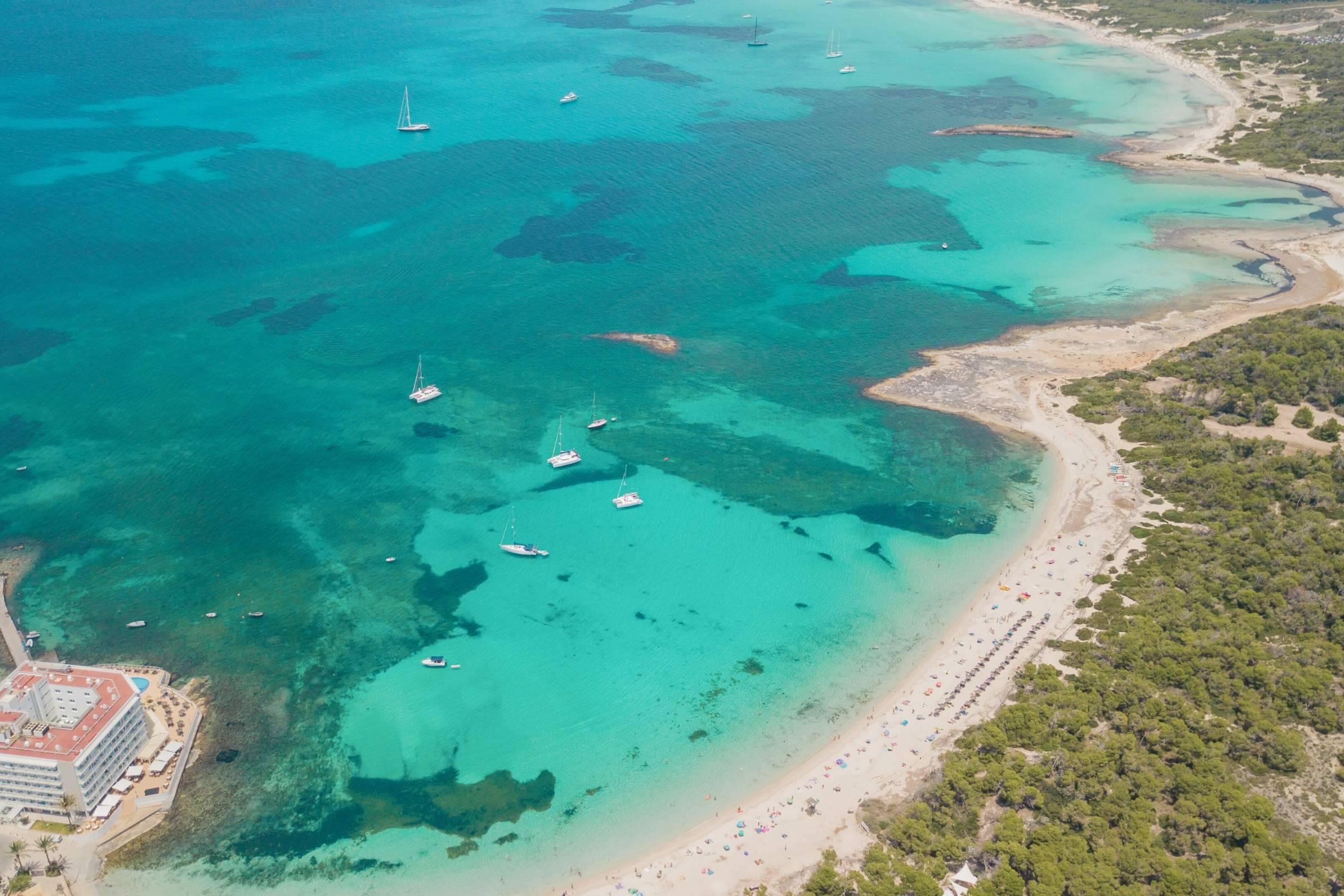
Es Trenc beach is known for its white sand and crystal-clear water, which is reminiscent of Caribbean beaches. As a natural beach, it stretches for several kilometers and offers an unspoiled landscape that invites you to relax and sunbathe. Access is possible both on foot and by bike, with parking available nearby.
Other beaches in the area
-
Platja d’es Dolç: A family-friendly beach with shallow water, ideal for children.
-
Platja d’es Carbó: A secluded beach that can only be reached on foot or by boat and offers tranquillity and pure nature.
-
Platja des Port: The city beach of Colònia de Sant Jordi, which is characterized by its proximity to the center and its good infrastructure.
Experience nature and history
Salt flats of Llevant
The salt pans of Llevant have been in operation for over 2000 years and offer not only an insight into traditional salt production, but also an impressive natural landscape. Pink flamingos and other bird species can be observed here, especially in winter.
Archipiélago de Cabrera National Park
Boat trips depart from the port in Colònia de Sant Jordi to the Cabrera National Park, a protected archipelago with unique flora and fauna. The archipelago offers hiking trails, historical sights and the famous Blue Grotto.
Activities and leisure activities
Water sports and boat tours
The clear sea around Colònia de Sant Jordi is ideal for activities such as snorkeling, diving and stand-up paddling. Various boat tours are also available to explore the coast and nearby islands.
Hiking and cycling
The surrounding area offers numerous hiking and cycling trails that lead through picturesque landscapes, along the coast and through nature reserves. A particular highlight is the coastal path to Cap de ses Salines with its historic bunkers from the Spanish Civil War.
Colonia Sant Jordi insider tips
Culinary highlights
Cassai Beach House
The Cassai Beach House is a popular restaurant right by the sea, offering modern Mediterranean cuisine in a stylish ambience. Overlooking the bay, guests can enjoy fresh seafood and local specialties. Reservations are recommended, especially in high season.
Local markets and festivals
Every Wednesday there is a weekly market in Colònia de Sant Jordi, where local products, handicrafts and culinary delights are on offer. There are also regular festivals that offer an insight into Mallorcan culture and tradition.
Accommodation options
Colònia de Sant Jordi offers a wide range of accommodation, from family-run guesthouses to luxurious hotels. Many accommodations are close to the beach and offer an excellent starting point for exploring the surrounding area.
Conclusion
Colònia de Sant Jordi combines natural beauty, cultural diversity and a wide range of leisure activities to create an unforgettable vacation experience. Whether relaxing on the beach, actively exploring nature or enjoying culinary delights – this place has something for everyone.
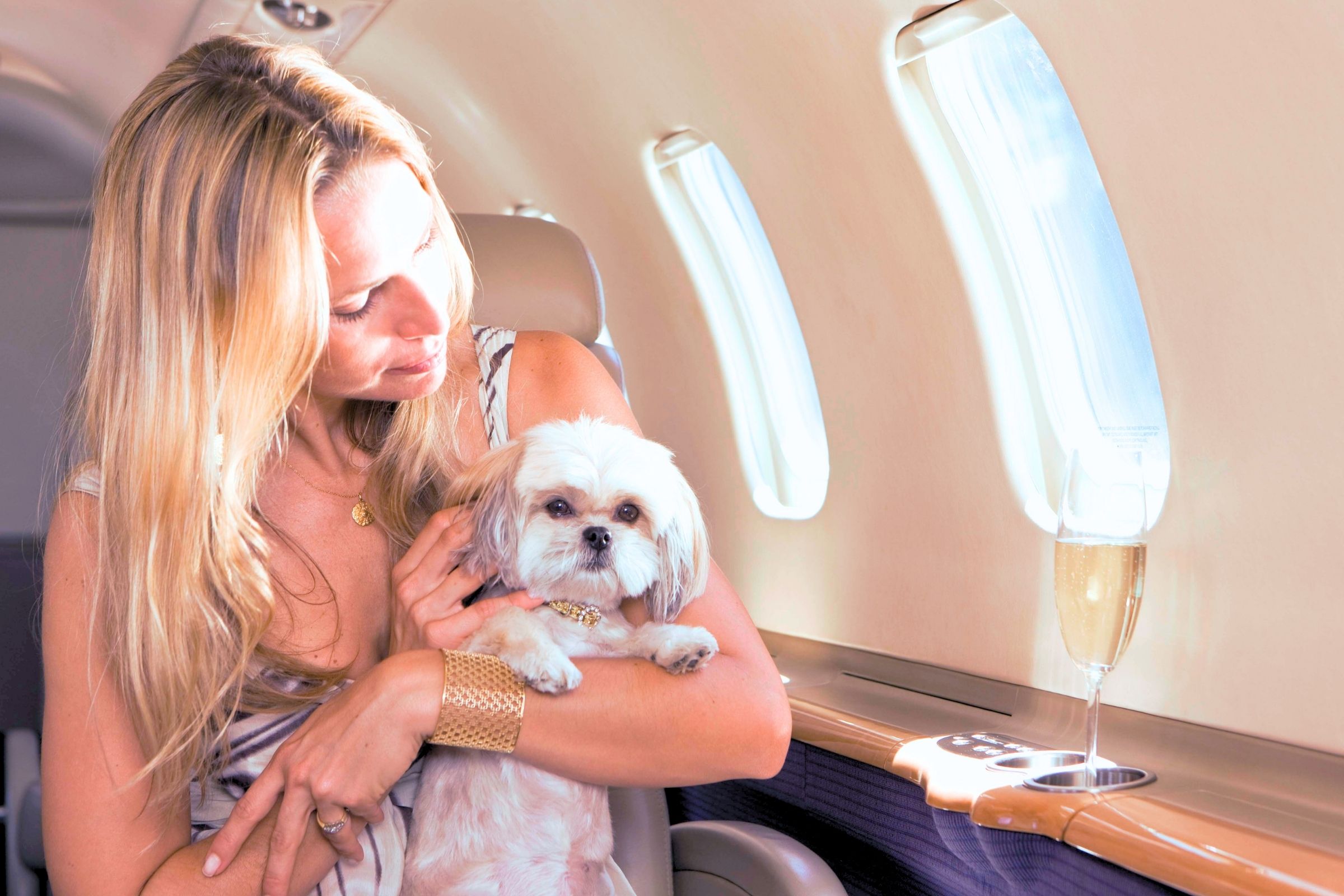
Flying to Mallorca with your dog: The comprehensive guide for a stress-free trip
Traveling to Mallorca with your beloved four-legged friend requires careful planning and knowledge of the current regulations. In this guide, we provide you with detailed information on airlines, transportation conditions, costs, entry requirements and alternatives to air travel.

Flying to Mallorca with a dog
Airlines and their regulations for dog transportation
Not all airlines allow dogs on board. Here is an overview of airlines that transport dogs to Mallorca and their specific conditions.
Lufthansa
-
Cabin: Dogs up to 8 kg (incl. transport bag) permitted. Dimensions: 55 × 40 × 23 cm. Costs: from 60 €
-
Cargo hold: Dogs over 8 kg. Box size up to 125 × 75 × 85 cm. Costs: 100-200 €
Eurowings
-
Cabin: Dogs up to 8 kg (incl. bag). Dimensions: 55 × 40 × 23 cm. Costs: from 60 €
-
Cargo hold: Not available
Tuifly
-
Cabin: Dogs up to 8 kg in flexible bag (55 × 40 × 20 cm). Cost: 40 €
-
Cargo hold: Dogs over 8 kg. Max. Box height: 83 cm. Costs: 60 €
Condor
-
Cabin: Dogs up to 6 kg (incl. box). Dimensions: 55 × 40 × 20 cm. Costs: from 59,99 €
-
Cargo hold: Dogs over 6 kg. Costs vary depending on size
Vueling
-
Cabin: Dogs up to 8 kg (incl. box). Dimensions: 45 × 39 × 21 cm. Costs: from 40 €
-
Cargo hold: Not available
Swiss
-
Cabin: Dogs up to 8 kg (incl. bag). Dimensions: 55 × 23 × 40 cm. Costs: 60-80 €
-
Cargo hold: Dogs over 8 kg. Costs: 100-260 €
Austrian Airlines
-
Cabin: Dogs up to 8 kg (incl. bag). Dimensions: 55 × 40 × 23 cm. Cost: 60 €
-
Cargo space: dogs over 8 kg. Costs: 100-200 €
Corendon
-
Cabin: dogs up to 8 kg. Dimensions: 55 × 35 × 25 cm. Cost: 20 €
-
Cargo space: dogs over 8 kg. Costs: 40 €
Note: Airlines such as Ryanair, EasyJet and Wizz Air do not allow pets on board, with the exception of assistance dogs.
Cost overview for dog transportation
The transportation costs vary depending on the airline, the weight of the dog and the type of transport.
-
Cabin: 40-80 €
-
Freight space: 60-260 €
Additional fees may apply for last-minute registrations or special requirements.

Flying to Mallorca with a dog
Entry requirements for dogs to Mallorca
The following requirements apply for entering Mallorca with your dog.
-
Minimum age: 12 weeks (some airlines require 15 weeks)
-
Microchip: Obligation for unique identification
-
EU pet passport: Required with valid rabies vaccination (at least 21 days old)
-
Registration: Prior registration is required for certain breeds (e.g. dogs classified as dangerous)
Note: The import of dogs under 3 months of age is prohibited.
Special features for certain dog breeds
Some breeds are subject to special transportation conditions.
-
Blunt-nosed breeds (e.g. pugs, bulldogs): Due to breathing problems, transportation in the cargo hold is often prohibited; cabin transportation possible, provided weight limit is observed
-
Fighting dogs (e.g. pit bull terrier, Rottweiler): Transport conditions vary; special transport boxes and additional requirements may be necessary
Preparation and booking
-
Registration: Register your dog with the airline in good time, ideally when you book your flight
-
Transport box: Make sure that the box complies with IATA guidelines and offers your dog enough space
-
Familiarization: Get your dog used to the transport box in advance to minimize stress during the journey
Alternative: Take the ferry to Mallorca
If your dog is not fit to fly or you prefer an alternative travel option, you can travel by ferry.
-
Provider: Balèaria and Trasmediterránea
No matter how you organize it, the priority is always that your dog is well and arrives safely in Mallorca!


Manacor the best insider tips!

Smoking in Mallorca

The best party hotel in Mallorca
“The ultimate guide to tipping in Mallorca – tips, tricks and dos and don’ts for a successful vacation on the island of the sun”

“Permissive paradise: Discover the best nudist beaches in Mallorca”

Pamboli: The heart of Mallorcan cuisine


-
Interesting3 years ago
“The ultimate guide to tipping in Mallorca – tips, tricks and dos and don’ts for a successful vacation on the island of the sun”
-

 Activities3 years ago
“Permissive paradise: Discover the best nudist beaches in Mallorca”
-

 Interesting3 years ago
Pamboli: The heart of Mallorcan cuisine
-

 Activities3 years ago
Golf vacation in Mallorca, the best tips!
-
Restaurants/Gastronomy9 years ago
The 5 best restaurants in the southeast of Mallorc
-

 Activities4 years ago
Surf types and water sports in Mallorca
-

 Locations9 years ago
Do you know the southeast of Mallorca?
-

 Locations4 years ago
The best beaches in Mallorca


